
News From the Environmental Studies and Science Department
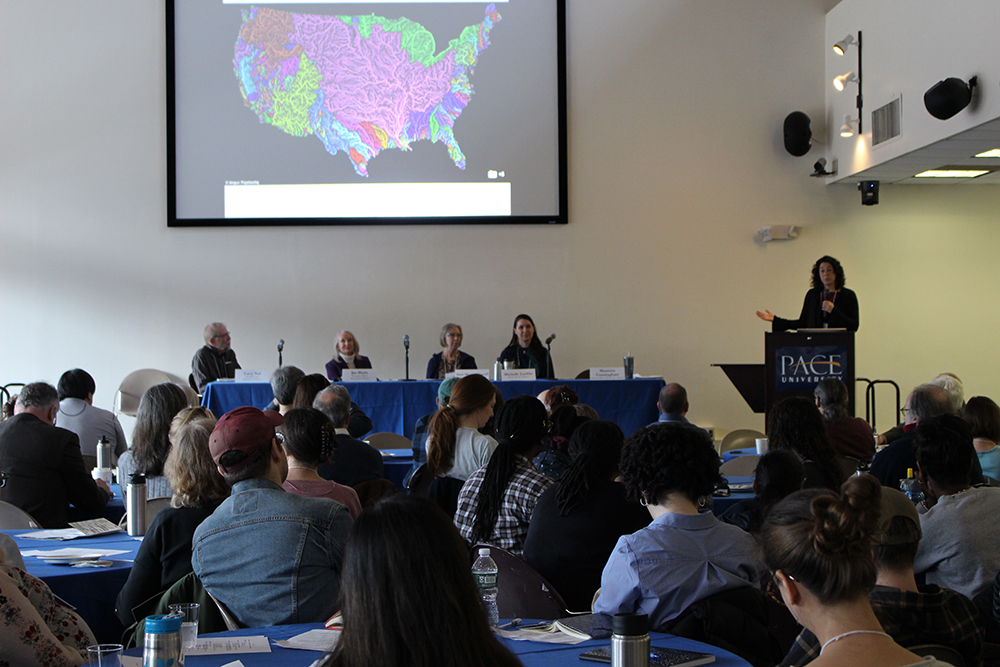
Lower Hudson Urban Waters Summit Focuses on Water Monitoring Efforts
Environmental leaders gather at Pace University to discuss regional water issues and plan for action
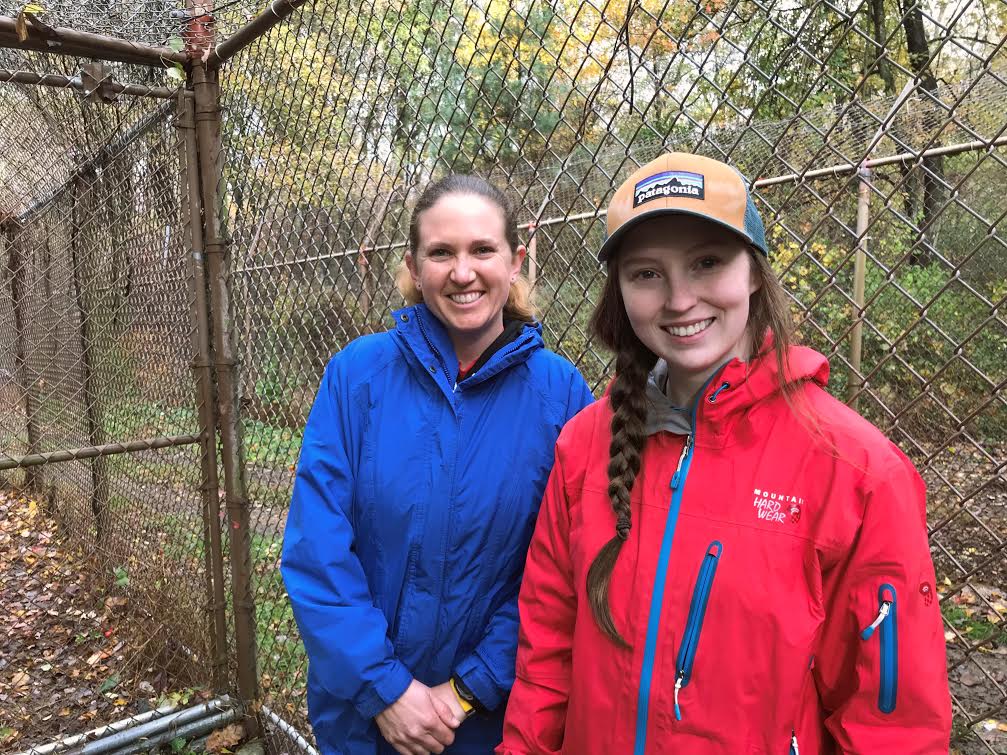
Student Spotlight: Nadya Hall’s Externship with the Wolf Conservation Center
As a policy intern, Nadya Hall (Master of Arts in Environmental Policy ‘18) worked with the WCC to develop and implement a series of workshops, exploring how scientists, lawmakers, and citizen activists shape the future of wildlife policy.

New on EarthDesk: Climate or Cows: What’s the Answer?
Research demonstrates that the industrial livestock system, which produces 95% of the world’s meat, is a major source of the hydrocarbon methane — a potent climate-killing greenhouse gas that cows emit with alarming regularity. Who has the solution, farmers who say soil can sequester carbon, or vegans who say the only good meat is no meat? Science is weighing-in.
On curiosity, confusion, and fermented landscapes
Dr. Myles explores the concept of fermented landscapes, a framework for exploring the literal and figurative elements of landscape transformation vis-à-vis fermentation.
Student Spotlight: Kat Cognata Partners with Harlem Community Garden
This Pace internship story is about a partnership between Pace Environmental Studies and Science and the Electric Ladybug Garden in Harlem. The board wanted to expand the garden in ways that made it accessible to more members of the local community. They asked us to answer the question: how do you grow garden access?
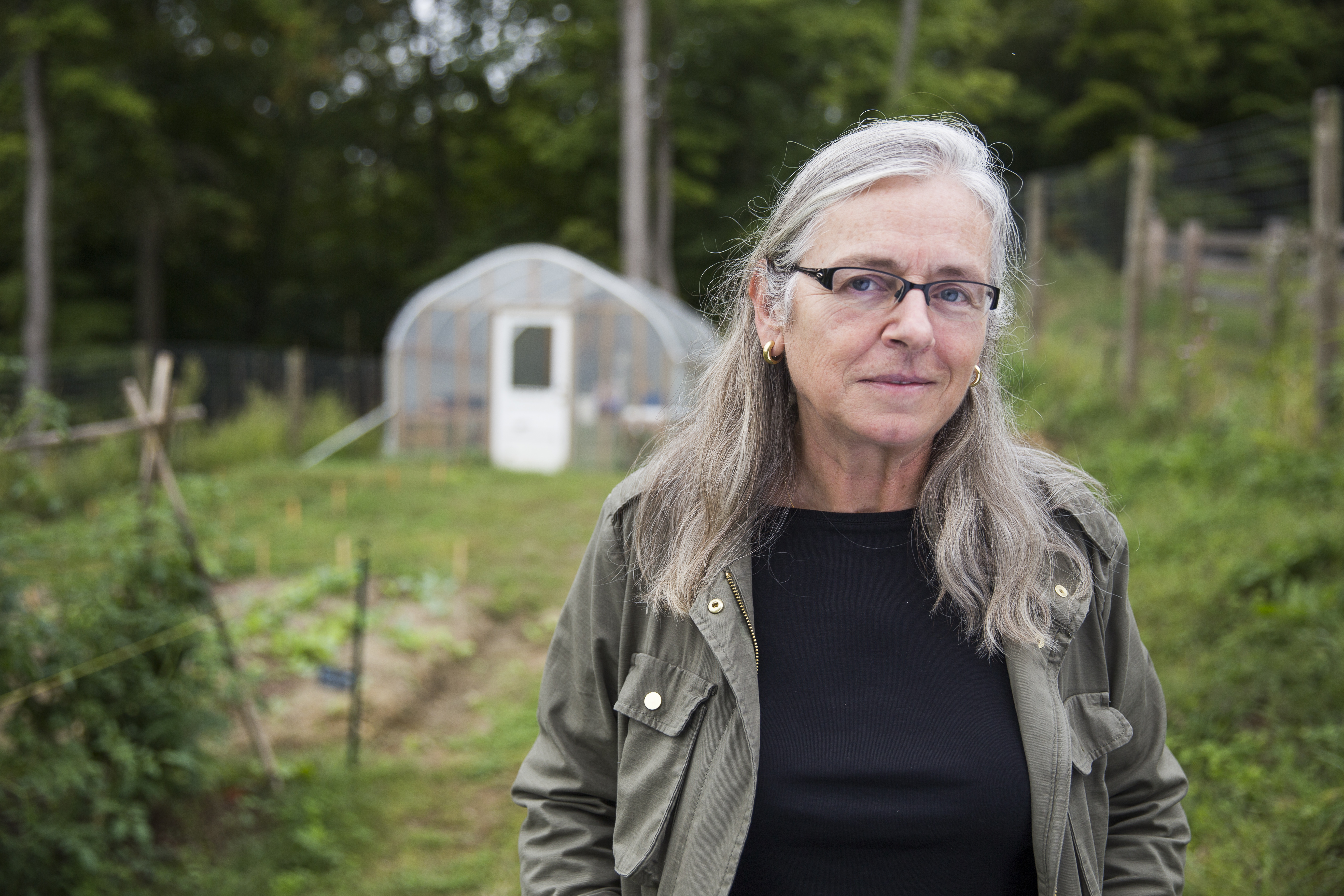
Welcome to the ESS Blog
Welcome to the blog of the Department of Environmental Studies and Science at Pace University.
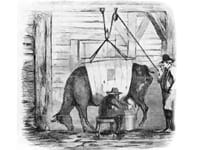
ESS Professor on 19th Century Milk Scandal
Environmental Studies and Science Professor E. Melanie DuPuis, PhD, was quoted in the online magazine Atlas Obscura on the swill milk scandal which led to the poisoning deaths of thousands of infants in nineteenth-century New York.
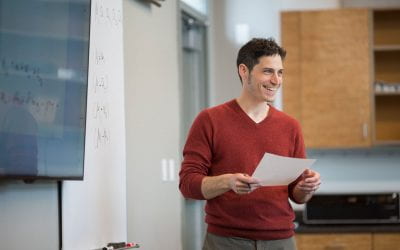
Assistant Prof. Aiello-Lammens Awarded $593k NSF Grant
Assistant Professor Matthew Aiello-Lammens, PhD, along with colleagues from City University of New York and Yale, have been awarded a $593,000 grant from the National Science Foundation to develop software tools for studying species distributions.